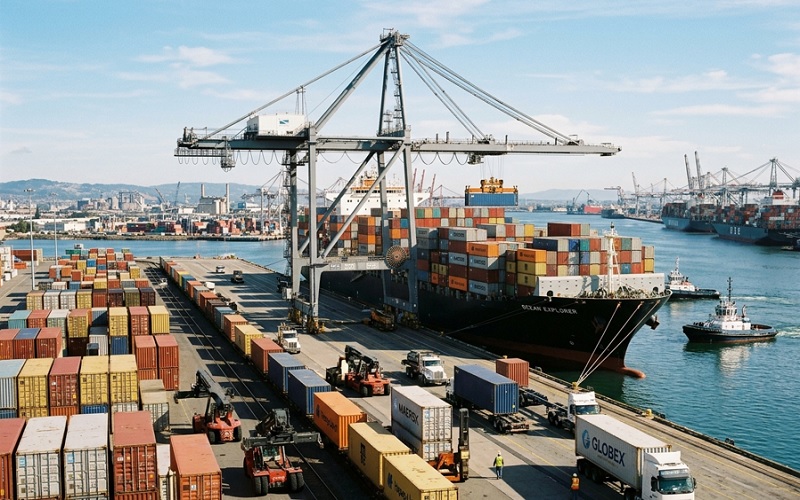
In the modern globalized world, companies cannot do without cargo shipping that enables transportation of products throughout cities, nations, and continents. As a small business owner, E-commerce seller, or a large enterprise, to operate logistics and evolve well, it is crucial to learn how the cargo shipping service operates.
At International Cargo Shipping, we assist businesses in easing the process of transporting goods across borders with cost-effective and reliable services. This guide will teach you all about cargo shipping, such as its types, process, its benefits, and how to select the appropriate shipping method.
Cargo shipping can be described as the movement of bulk goods, between two points in various mediums like sea, air, road or rail. It is an important aspect of international trade and supply chain management.
Freight shipping is used to deliver large parcels, commercial goods, and industrial products, unlike courier services that are used to transport small parcels. International cargo shipping is a means through which businesses import and export goods across the borders.
The world economy depends on cargo shipping services to function smoothly. From raw materials to finished products, everything is transported through logistics networks.
Key roles of cargo shipping:
Without freight forwarding services, global commerce would not be possible at the scale we see today.
Understanding different shipping methods helps businesses choose the most suitable option based on cost, speed, and shipment type.
Sea freight is the most widely used method for transporting large quantities of goods internationally.
Advantages:
Common types:
Although sea freight shipping is slower, it is the best option for reducing logistics costs.
Air cargo shipping is the fastest way to transport goods.
Advantages:
Disadvantages:
Businesses choose air freight services when speed is more important than cost.
Road cargo shipping is used for domestic and regional transportation.
Benefits:
It is commonly used in combination with air or sea freight for last-mile delivery.
Rail transport is an efficient method for moving goods over land.
Advantages:
Rail freight is widely used for inland logistics and cross-border trade.
Knowing the process of shipping the cargo makes it possible to prevent delays and lead to a successful delivery.
Select a reliable shipping company such as International Cargo Shipping to transport your freight.
Goods are well packaged so that they are safeguarded during transportation.
A proper documentation is necessary to facilitate shipping:
Goods have to go through customs where approval of importation/exportation is done. Having good documentation would prevent delays.
The shipment is conveyed through a chosen mode (air, sea, road or rail).
Final delivery is made either door to door, or port to port.
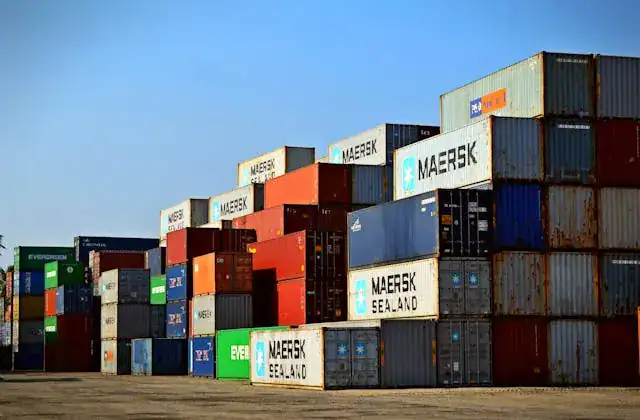
To better understand logistics, here are some important terms:
These terms are commonly used in international cargo shipping.
Businesses can expand internationally using cargo shipping services
Sea freight shipping reduces costs for bulk transportation
Choose between air, sea, or road depending on urgency
Modern logistics systems ensure safe handling and delivery
Cargo shipping cost varies on a variety of factors:
The selection of an appropriate freight forwarding company such as International Cargo Shipping can assist in the cost optimization and efficiency enhancement.
Many people confuse cargo shipping with courier services, but they serve different purposes.
Cargo is more economical for businesses dealing with heavy goods, while couriers are suitable for quick personal deliveries.
Choosing the appropriate logistics partner is a key to business success.
Consider the following:
In the case of International Cargo Shipping, we offer services to your business in the form of end-to-end logistics solutions.
In spite of the benefits of cargo shipping, there are the challenges:
By engaging the services of seasoned professionals and ensuring timely preparation of shipments, these challenges can be reduced.
These practices help businesses reduce delays and improve delivery performance.
The logistics industry is evolving rapidly with new technologies:
These advancements are making cargo shipping services faster, safer, and more efficient.
Shipment of cargo is an essential aspect of world trade and business. It helps businesses to move products internationally and enter new markets. The knowledge of the kinds, process and cost aspects of cargo shipping assists companies to make improved logistics choices.
International Cargo Shipping is the partner you can rely on and the one that will be effective in providing reliable and efficient shipping solutions. Our services are professional freight forwarding; your goods will be delivered safely and punctually.
Cargo shipping refers to the process of transporting goods in bulk through air, sea, road or rail. It is mainly used for commercial shipments and international trade.
The heavy and bulk shipments can be more economical in sea freight, whereas air freight is quicker, but more expensive, which is applicable in urgent deliveries.
The time of delivery will be determined by the shipping mode and the destination. Air transport normally takes a few days, compared to sea transport, which can take a few weeks depending on the distance and the clearance of the goods.
Significant documents are the bill of lading, commercial invoice and packing list. Depending on the type of goods and country, additional documents might be needed.
Yes, small businesses can use cargo shipping through options like LCL (Less than Container Load), which allows them to ship smaller quantities without booking a full container.