Most shipping guides treat every destination the same way — a list of transit times, a cost table, and a generic FAQ. But air & sea freight from India to Thailand doesn’t behave like a typical long-haul international lane. The distance is short, direct flights exist, a trade agreement can reduce your duty bill, and even Thai festival calendars can affect when your cargo actually arrives. This page is built around those specifics, not a copy-paste checklist.
If you’re an exporter, an importer sourcing from Thailand, or a D2C brand shipping to Thai customers, here’s what actually determines your cost, your timeline, and your choice between air and sea.
India and Thailand are close neighbours by international shipping standards — roughly 2,400 km apart by sea, with the route crossing the Bay of Bengal and Andaman Sea before entering the Gulf of Thailand. That proximity is the single biggest factor shaping this trade lane, and it’s why costs and timelines here look very different from a shipment headed to Europe or the Americas.
Two-way trade between the countries has crossed US$15 billion annually, driven by a genuinely two-directional flow: India sends rice, textiles, pharmaceuticals, and engineering goods; Thailand sends back auto parts, rubber, electronics, and plastics. This isn’t a one-way export lane — it’s an active, back-and-forth commercial corridor, which is exactly why carrier capacity and direct sailing frequency stay strong.
Ports and airports that matter on this route:
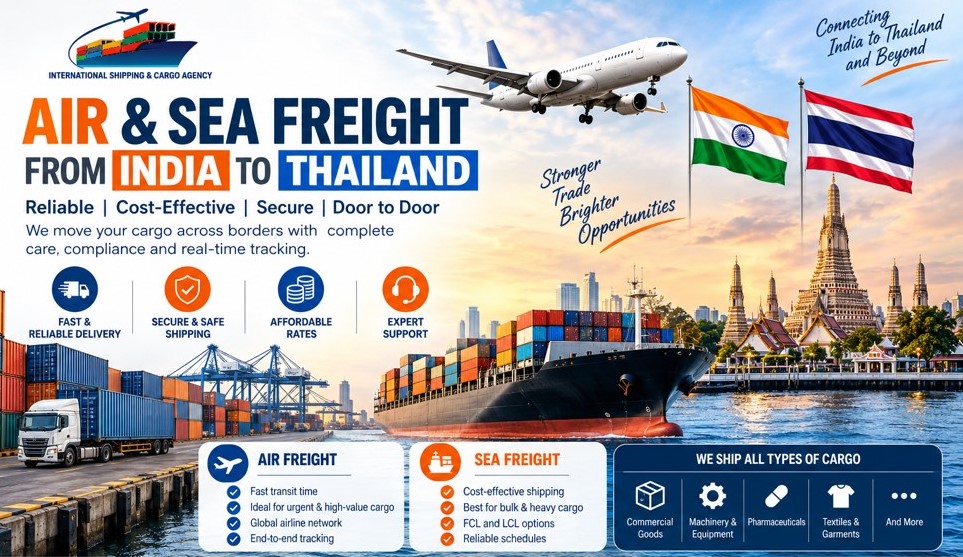
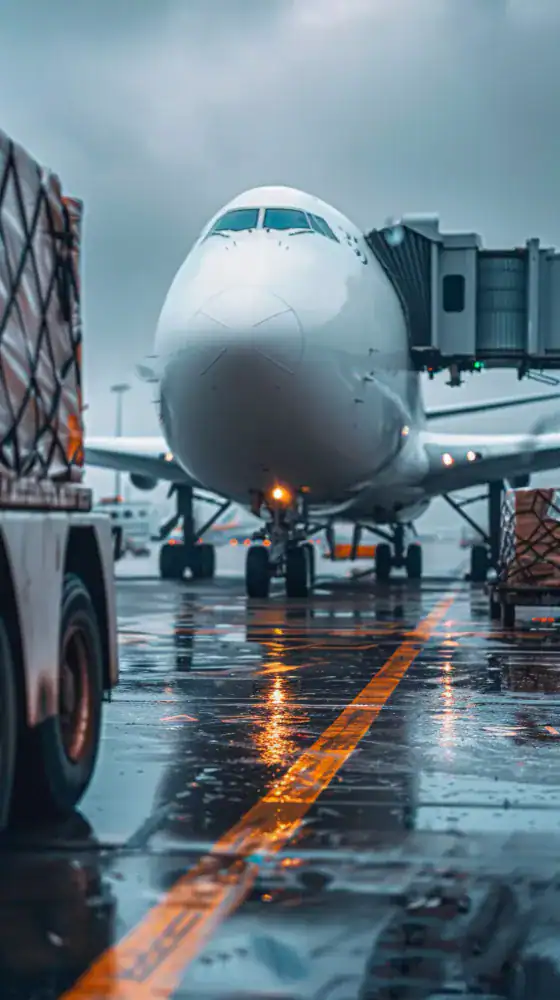
Because direct flights connect major Indian cities to Bangkok, air freight from India to Thailand is genuinely one of the fastest international options an Indian exporter can access — not just fast “for air freight,” but fast in absolute terms.
Transit time: As little as 1 day on a direct flight; 3 to 4 days on an indirect connection.
Commonly shipped by air:
Where air freight falls short: it remains costlier per kilogram than sea freight and isn’t practical once your cargo becomes heavy or bulky — beyond a certain volume, sea freight simply wins on economics.
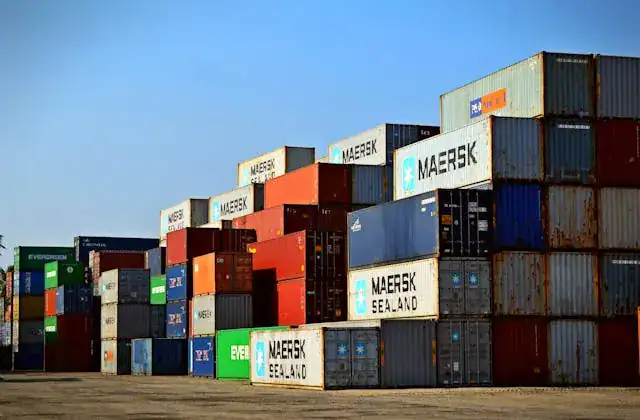
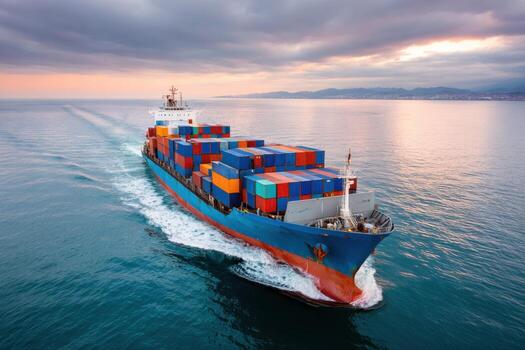
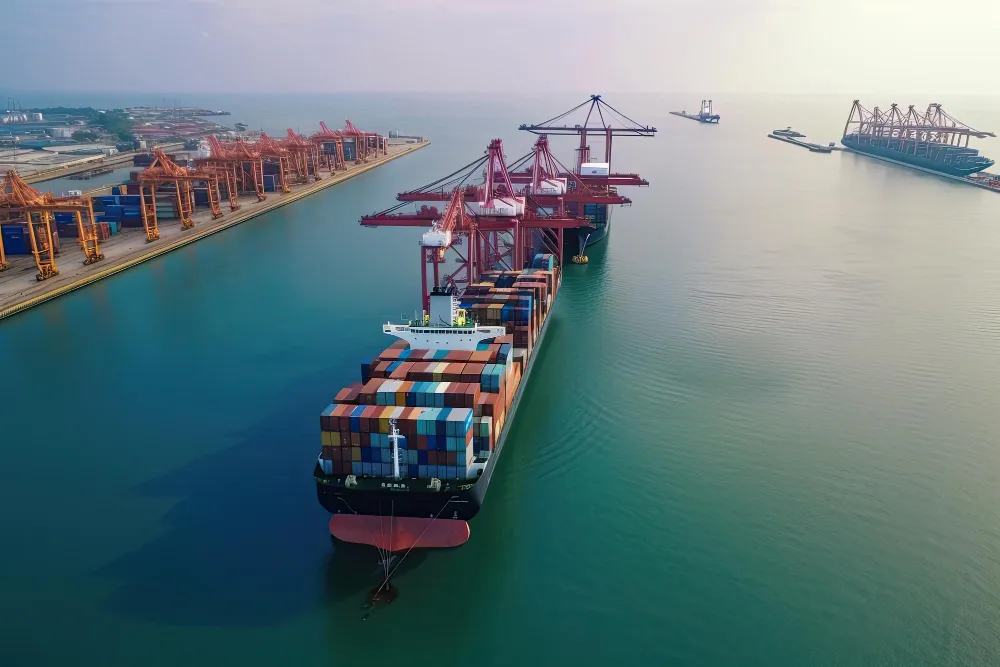
Sea freight is where most bulk trade on this lane actually happens, and the numbers are favourable compared to longer routes.
Transit time: 10 to 18 days port-to-port for FCL, depending on whether the vessel sails direct or transships via Singapore or Port Klang. Door-to-door delivery typically adds another 4 to 10 days for customs and inland movement.
Container options:
Commonly shipped by sea: textiles and garments, rice and agricultural commodities, machinery and engineering goods, industrial chemicals, and auto components moving in bulk.
The trade-off is straightforward: sea freight takes longer, but for anything heavy or high-volume, it is almost always the financially smarter route on this corridor.
| Factor | Air Freight | Sea Freight |
|---|---|---|
| Transit Time | 1–4 days | 10–18 days (FCL) |
| Cost Structure | Priced per kg | Priced per CBM or per container |
| Ideal Cargo | Light, urgent, high-value | Heavy, bulk, cost-sensitive |
| Connectivity | Direct flights available | Direct sailings + transshipment |
| Key Document | Airway Bill | Bill of Lading |
Air freight generally runs ₹250 to ₹550 per kg, depending on chargeable weight, urgency, and whether you're on a direct or connecting flight.
per CBM
per container
Here’s something worth knowing before you finalize a shipment: many products moving between India and Thailand qualify for reduced or zero customs duty under the India-ASEAN Free Trade Agreement, provided the shipment carries a valid Certificate of Origin (Form AI).
A surprising number of exporters skip this step simply because nobody flagged it — and end up paying full duty on goods that could have crossed the border at a fraction of the cost. If you’re shipping regularly to Thailand, it’s worth checking with your freight partner whether your HS code qualifies.
Unlike routes where weather is the main disruptor, Thailand’s shipping and customs activity slows around specific local calendar events:
Booking a week or two ahead of these windows can save you from avoidable delays — something a generic shipping guide won’t tell you, but an experienced forwarder will.
Thailand’s e-commerce market (via platforms like Shopee and Lazada) has created a steady stream of smaller, recurring shipments from Indian sellers — a different pattern from traditional bulk exporters. For this segment, LCL sea freight or consolidated air freight usually makes more sense than booking full containers, since it keeps per-shipment cost manageable while still allowing regular, predictable dispatch cycles.
If you’re shipping smaller parcels frequently rather than one large consignment occasionally, ask your forwarder about consolidation options — this alone can cut your per-unit shipping cost significantly.
The best international shipping from India to Thailand provider isn't necessarily the cheapest quote — it's the one that gets the details right consistently:
Direct booking access on air and ocean capacity, not resold space
Working knowledge of Form AI and FTA eligibility
Familiarity with Thai customs and product-specific import rules
Transparent pricing with no surprise port or handling fees
Real-time tracking with proactive updates during transit
International Shipping Cargo, based in Delhi, handles this end-to-end — doorstep pickup anywhere in India, full documentation support including FTA paperwork, and real-time tracking from origin to final delivery in Thailand, with transparent pricing throughout.
Shipping between India and Thailand comes with real structural advantages — short distance, direct flights, competitive sea freight timelines, and duty savings under the India-ASEAN FTA. Air freight can move your cargo in as little as a day; sea freight offers strong savings on bulk shipments within 10 to 18 days. Factor in seasonal timing and the right paperwork, and this becomes one of the more efficient international lanes available to Indian businesses.
As little as 1 day on a direct flight, or 3 to 4 days on an indirect connection.
Typically 10 to 18 days port-to-port for FCL, with door-to-door delivery adding 4 to 10 days for customs and inland transport.
Air freight runs roughly ₹250–₹550 per kg; sea freight is about ₹4,500–₹7,500 per CBM for LCL or ₹55,000–₹1,60,000 per container for FCL.
Yes, many products qualify for reduced or zero duty under the India-ASEAN FTA when shipped with a valid Certificate of Origin (Form AI).
Yes, port and customs activity in Thailand slows during Songkran in mid-April, so booking ahead of this period is advisable.
Chennai, Nhava Sheva, and Mundra on the Indian side; Laem Chabang, Bangkok Port, and Suvarnabhumi Airport on the Thai side.
Consolidated LCL sea freight or grouped air freight usually works best for online sellers and small businesses shipping regularly in smaller volumes.
Yes, several major Indian cities connect directly to Bangkok, making this one of the faster air freight lanes available from India.
Air freight suits urgent, lightweight, high-value cargo; sea freight suits bulk shipments where cost matters more than speed.